
In a world where standing still means falling behind, we knew it was time for a bold transformation.
Why Your Business Needs a Strong Visual Identity
Scroll to read
Stay updated with the latest insights, creative trends and studio highlights from Designfest. Here we share our journey, design trends updates and industry news to keep you inspired.
In the hyper-competitive digital landscape of today, consumers are bombarded with thousands of brand messages daily. Attention spans are shrinking, and the window to make a connection is often less than a second. In this "instant economy," a strong Visual Identity is not merely a nice-to-have design element; it is the silent ambassador of your business, the immediate emotional trigger that differentiates you from the noise. It encompasses everything a customer sees—from your logo and color palette to your website layout and packaging design. This comprehensive guide will explore the profound, multifaceted reasons why investing in a cohesive and memorable visual identity is the single most critical strategic decision your business can make to ensure long-term success, trust, and market dominance in 2025 and beyond.
Defining the Fundamentals of Visual Identity
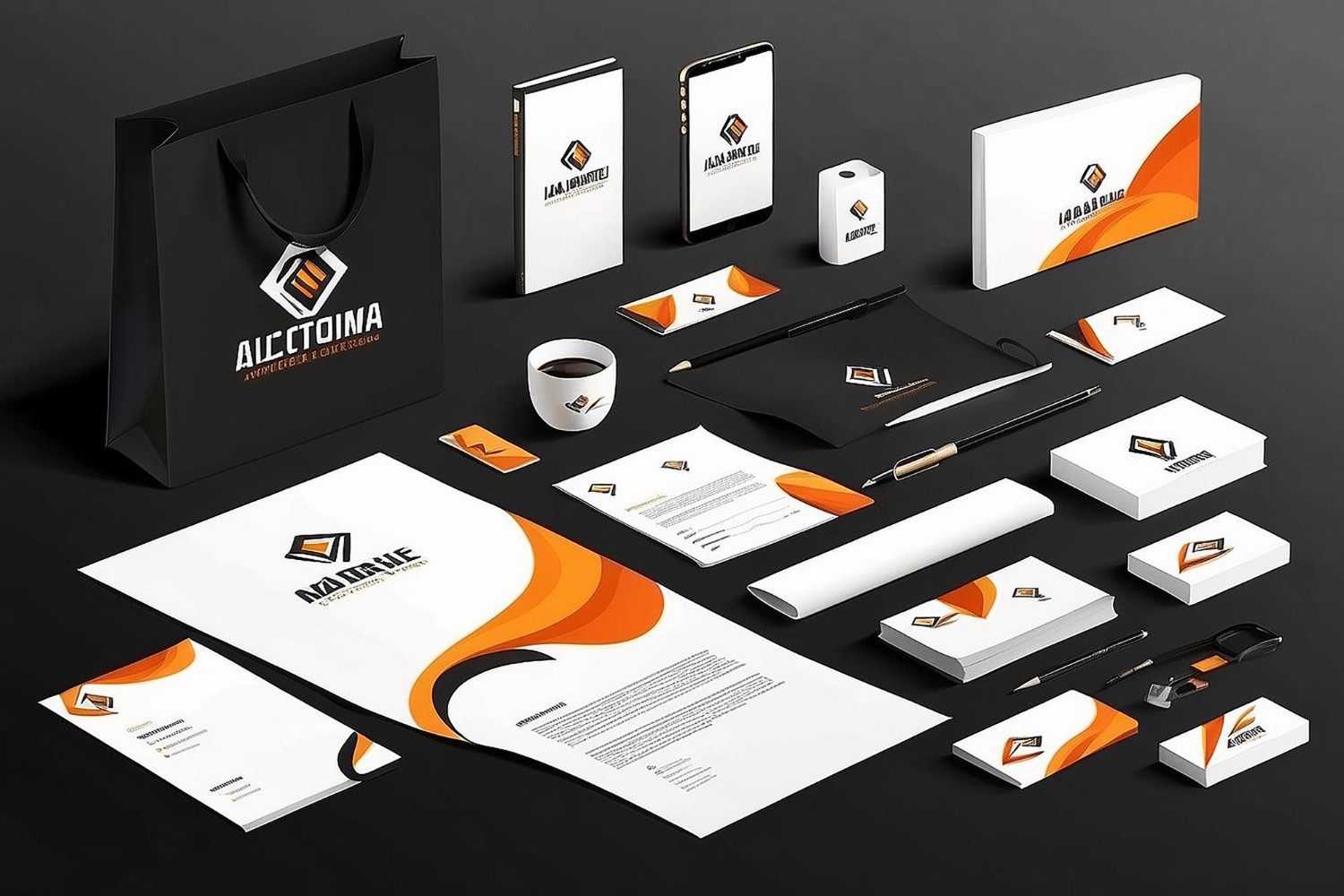
A Visual Identity is the totality of all visual elements used to communicate your brand's essence. It is the practical execution of your brand strategy.
Core Components of a Strong Visual Identity
Logo Design: The primary symbol and cornerstone of the identity.
Color Palette: The specific set of colors that convey mood, emotion, and recognition. Scientific studies confirm that color can boost brand recognition by up to 80%.
Typography (Fonts): The styles and weights of type used, which communicate tone (e.g., elegant, modern, playful).
Imagery & Photography Style: The consistent look, feel, and filtering applied to all photos and illustrations.
Visual Elements & Graphics: Patterns, icons, and shapes that are uniquely associated with the brand.
Brand Guidelines (Style Guide): The document that dictates how, when, and where all these elements should be used to maintain consistency.
The Cornerstone of Differentiation and Recognition
The most immediate benefit of a strong visual identity is its ability to make your brand instantly recognizable and memorable. In a sea of competitors, standing out is paramount.
Instant Recognition: Iconic visuals like the Nike swoosh or the Coca-Cola script are recognized globally without needing a single word. Your visual identity creates this immediate mental shortcut for consumers.
Differentiation: A unique visual system prevents your brand from blending into the industry backdrop. It immediately communicates what you are not and highlights what makes you special. If all competitors use blue and grey (e.g., in finance), choosing a vibrant, unconventional color (e.g., deep purple or yellow) can dramatically enhance distinctiveness.
Cognitive Ease: Humans are visually wired. The brain processes images 60,000 times faster than text. A consistent, simple visual identity is easier for the brain to process, leading to quicker brand recall and reduced cognitive load for the customer.
Building Trust and Communicating Value
Trust is the currency of modern business, and visual consistency is the foundation of trust. Customers rely on predictable experiences.
Professionalism and Reliability: A well-designed, consistent identity signals professionalism, attention to detail, and stability. If a brand looks polished and meticulously managed, the subconscious assumption is that its products or services are equally high quality and reliable.
Telling Your Brand Story: The visual identity is a powerful narrative tool. Colors and shapes can convey your brand's values immediately. For example, using earthy tones suggests sustainability, while sharp, clean lines suggest technological innovation.
Emotional Connection: Visuals evoke emotion. The right color palette and imagery can create a desired emotional response—excitement, comfort, luxury, or authority—allowing customers to form a deeper connection with the brand long before they make a purchase.
Driving Digital Performance and Marketing ROI
In 2025, a business must operate seamlessly across physical, digital, and social channels. A strong visual identity ensures maximum impact across this fragmented landscape.
Social Media Engagement: Highly visual, branded content performs better on platforms like Instagram, TikTok, and YouTube. A consistent visual style ensures every post is immediately identifiable as belonging to your brand, driving higher engagement rates.
Website and UX (User Experience): The visual design of your website (layout, spacing, color contrast) dictates user experience. A professional visual identity improves site navigation, reduces bounce rates, and increases conversion by creating a trustworthy purchasing environment.
Advertising Effectiveness: Consistent visuals improve ad recall. When a customer sees your ad, the visual familiarity makes the message stick, optimizing the Return on Investment (ROI) of your marketing spend.
Adapting to Dynamic Media (The 2025 Imperative): Modern identities must be flexible enough to translate effectively into motion graphics, augmented reality (AR) filters, and interactive 3D spaces without losing their core essence.
The Internal Benefits – Culture and Talent Acquisition
A visual identity is not just for external customers; it plays a crucial role in internal business operations and culture.
Employee Pride and Morale: Employees are your primary brand advocates. A strong, respected visual identity fosters pride and a sense of belonging, making them more engaged and enthusiastic about representing the company.
Recruiting Top Talent: The overall look and feel of a company (its website, office design, social presence) is a major factor for potential hires, particularly among younger generations. A modern, compelling identity attracts top talent who want to be associated with a forward-thinking brand.
Simplified Internal Communication: Clear brand guidelines reduce ambiguity and streamline the creation of internal and external materials. Employees know exactly how to represent the brand, saving time and avoiding costly design errors.
Future-Proofing Your Brand Through Longevity
Developing a strong visual identity is an investment in the long-term equity and adaptability of the brand.
Equity and Value: A distinct visual identity becomes part of the company's intangible asset value. Strong brand equity can significantly increase the perceived value of the business for investors or potential buyers.
Adaptability and Evolution: A thoughtfully designed identity is built with flexibility. When the time comes for a necessary refresh (or "rebrand"), a solid foundation allows for a smooth, evolutionary change rather than a confusing, drastic overhaul. The core elements remain recognizable, preserving accumulated trust and recognition.
Protection Against Imitation: A unique visual identity, when registered and protected, serves as a legal barrier against competitors attempting to mimic your success.
Your Visual Identity – The Key to Enduring Success
In an age dominated by digital noise and ephemeral trends, a strong Visual Identity is your anchor. It is the critical bridge that connects your strategic business goals with the emotional and subconscious minds of your consumers. It provides instant differentiation, builds unwavering trust through consistency, and is the engine behind effective marketing across all channels—digital, social, and physical. By treating your visual identity as a fundamental strategic asset, not just a design project, you equip your business with the clarity, professionalism, and recognition needed to thrive, grow, and maintain a competitive edge for years to come.